Understanding 90s Fashion: Key Styles and Influences
Understanding 90s Fashion: Key Styles and Influences
The 1990s was a transformative decade in the world of fashion, characterized by a unique blend of rebellious spirit and minimalist trends. From the streets to the runway, 90s fashion continues to inspire modern style with its diverse looks and cultural significance. In this article, we'll dive deep into the key styles and influences that defined 90s fashion for both men and women, including the ever-popular 90s grunge fashion.
The Rise of Minimalism
One of the defining features of 90s fashion was the shift towards minimalism. After the extravagant and bold styles of the 80s, many embraced simplicity and clean lines. Think slip dresses, simple tank tops, and monochromatic outfits.
- Neutral color palettes like black, white, and beige
- Sleek silhouettes and streamlined cuts
- Minimal accessories
This modern and understated approach created a timeless aesthetic that remains influential today.
90s Fashion for Women: Key Trends
Women’s fashion in the 90s was dynamic and diverse, reflecting a mix of grunge, glamour, and casual cool.
Popular styles included:
- Slip Dresses: Often worn over a plain t-shirt or on their own, slip dresses epitomized effortless chic.
- Crop Tops and High-Waisted Jeans: A playful combo that highlighted youthful energy.
- Plaid Skirts and Overalls: Drawing inspiration from schoolgirl looks and street style.
- Chokers and Platform Shoes: Bold accessories that added edge to outfits.
These elements combined to create looks that were both trendy and inclusive, appealing to a wide range of personal styles.
90s Fashion for Men: Defining Looks
Men's fashion in the 90s balanced casual comfort with streetwear influences.
Notable trends included:
- Baggy Jeans and Cargo Pants: Prioritizing comfort and a laid-back vibe.
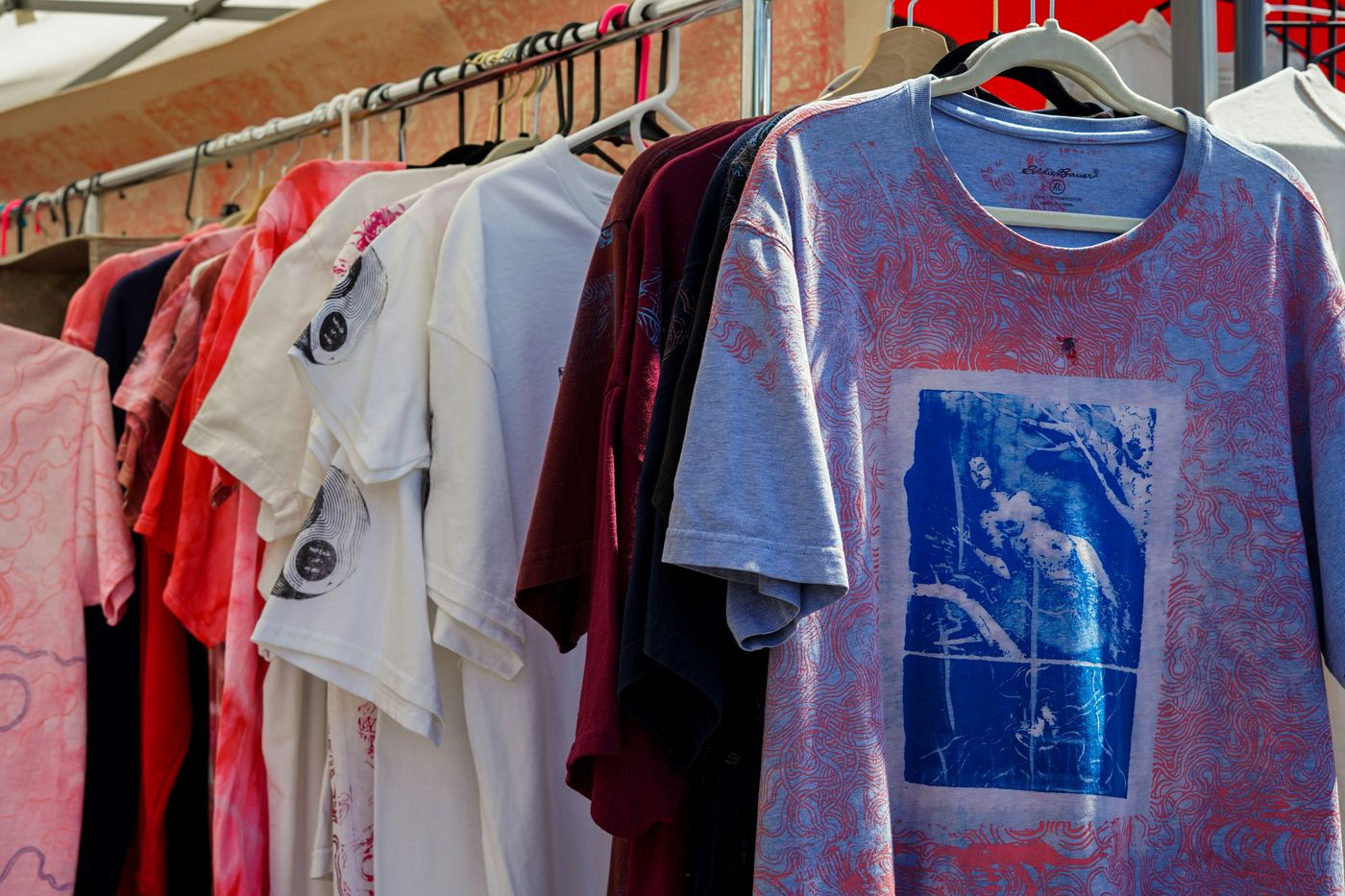
- Graphic Tees and Flannel Shirts: Expressive and linked closely to music culture.
- Tracksuits and Sneakers: Reflecting the rise of athleisure.
- Bucket Hats and Chain Necklaces: Accessories that added personality.
This style was modern and reliable, blending functionality with self-expression.
The Impact of 90s Grunge Fashion
Grunge fashion, popularized by bands like Nirvana and Pearl Jam, embodied a rebellious and unpolished look that stood in stark contrast to mainstream trends.
Characteristics of 90s grunge fashion:
- Layered flannel shirts over band tees
- Ripped jeans and combat boots
- Oversized sweaters and leather jackets
- Dark, muted colors mixed with plaid patterns
Grunge was inclusive and authentic, representing a counterculture movement that challenged fashion norms.
Influence of Pop Culture and Music
The 90s fashion scene was heavily influenced by pop culture icons and music genres.
- Hip-hop culture: Popularized baggy clothing and bold prints.
- Supermodels and TV shows: Figures like Naomi Campbell and shows like "Friends" shaped fashion aspirations.
- Music festivals: Encouraged bohemian and eclectic styles.
This fusion of influences made 90s fashion vibrant and reflective of a changing society.
Accessories That Defined the Decade
Accessories played a crucial role in completing 90s looks.
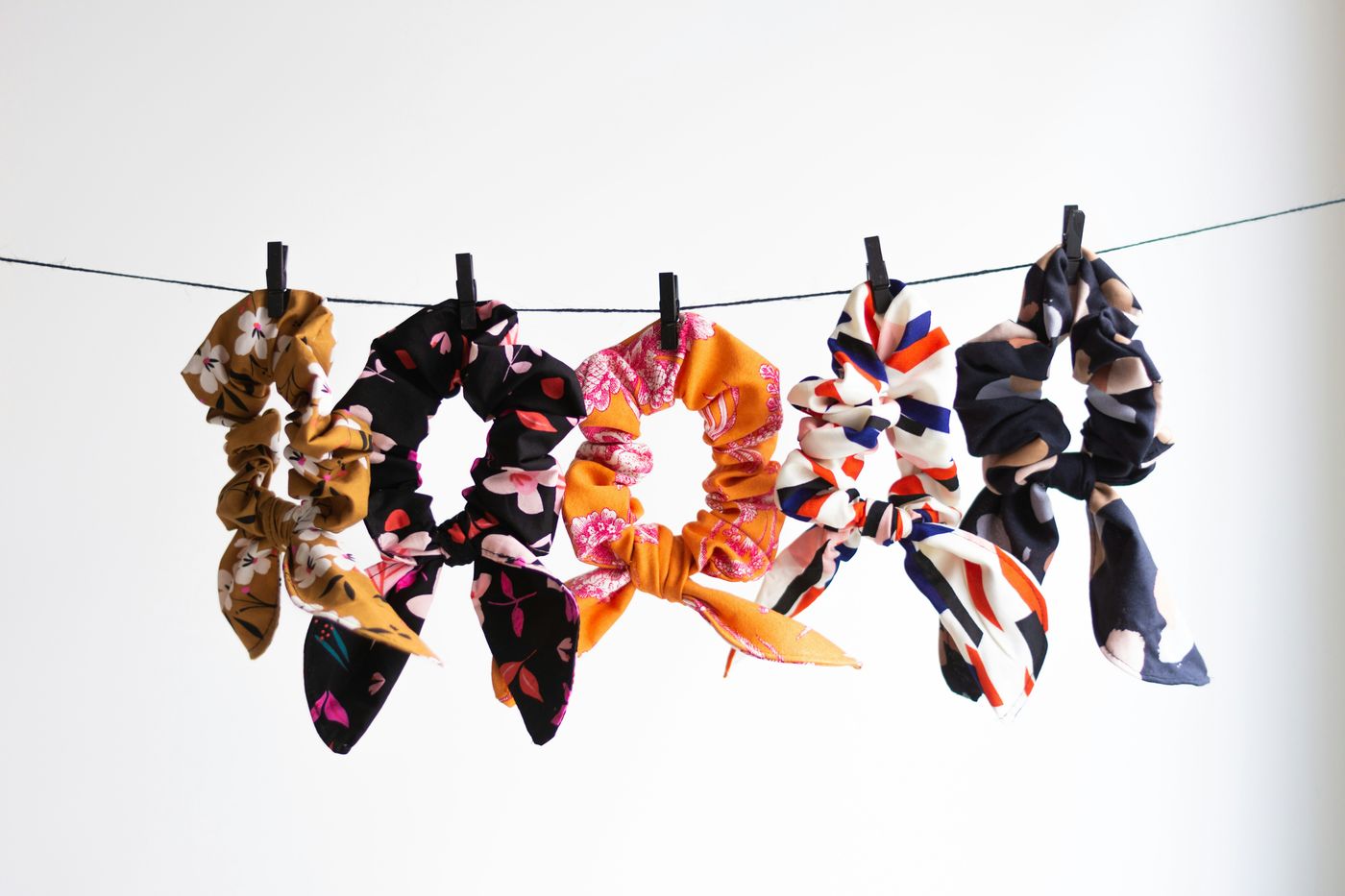
- Scrunchies and butterfly clips: Popular for casual hairstyles.
- Tiny backpacks and fanny packs: Practical yet stylish.
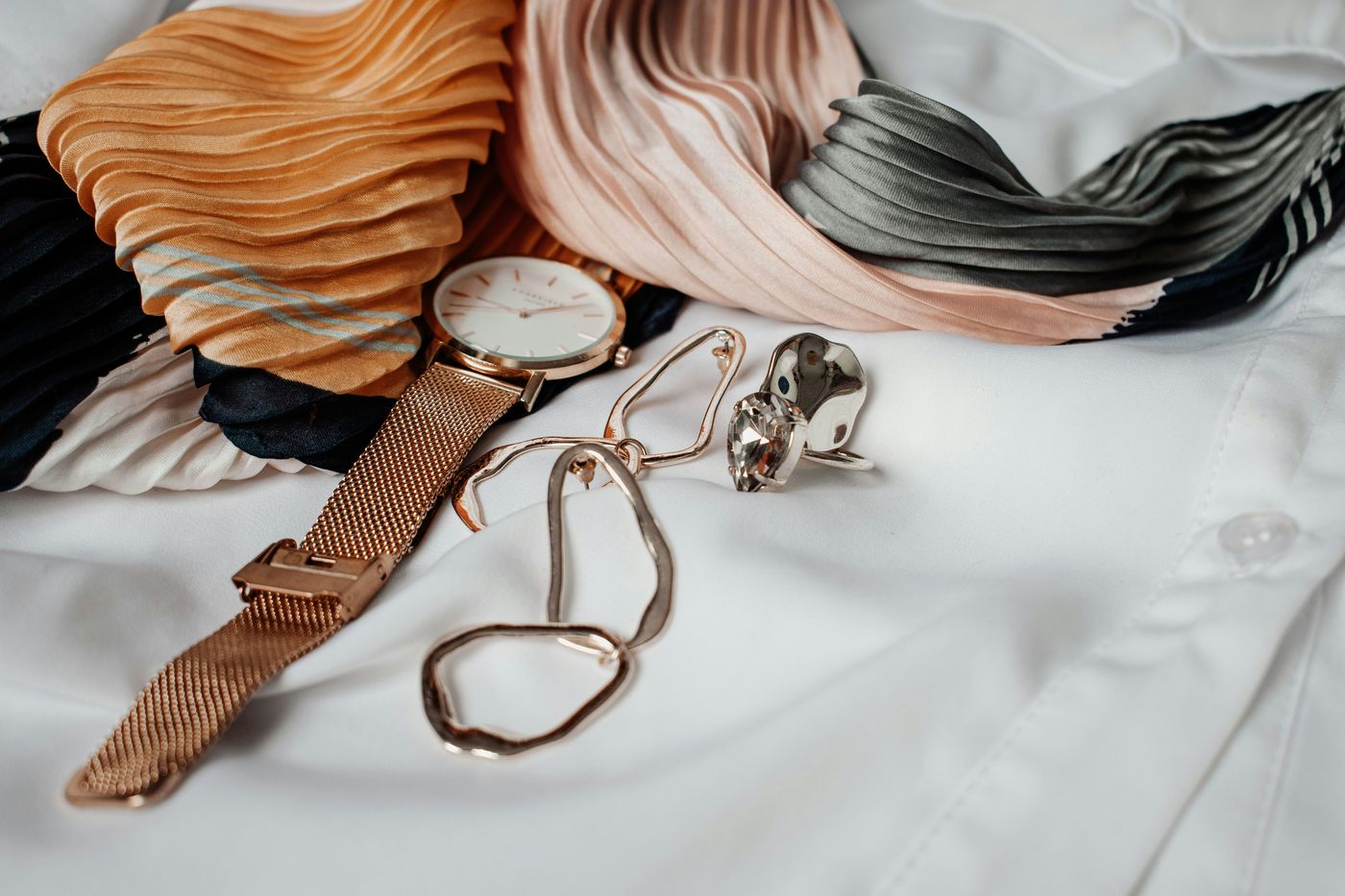
- Round sunglasses and hoop earrings: Adding a touch of flair.
These elements contributed to the bold typography of fashion statements during the era.
Legacy of 90s Fashion Today
The 90s fashion revival is evident in contemporary trends, with modern designers drawing inspiration from its eclectic styles. The decade’s emphasis on self-expression, inclusivity, and mixing high and low fashion continues to resonate.
Conclusion
Understanding 90s fashion offers valuable insight into a decade that blended trendiness with authenticity. From minimalist slip dresses to grunge flannel layers, the styles of the 90s remain modern and influential. Whether you're exploring 90s fashion men’s looks, women’s trends, or the iconic grunge aesthetic, this era’s legacy endures as a vibrant chapter in fashion history.