The Evolution of 1950s Fashion Dresses and Menswear
The Evolution of 1950s Fashion Dresses and Menswear
The 1950s marked a defining era in fashion history, showcasing a blend of elegance, innovation, and cultural shifts. This decade brought about dramatic transformations in both women's dresses and men's fashion, setting trends that continue to inspire modern style today. In this article, we dive into the evolution of 1950s fashion, exploring how dresses and menswear reflected the spirit of the time.
The Post-War Influence on 1950s Fashion
After World War II, society experienced a renewed sense of optimism and prosperity. This change was vividly expressed through fashion. The scarcity and austerity of the war years gave way to more luxurious fabrics and elaborate designs. For women, this meant a return to femininity and glamour, while men's fashion embraced a polished, confident look.
Iconic 1950s Fashion Dresses: Style and Silhouette
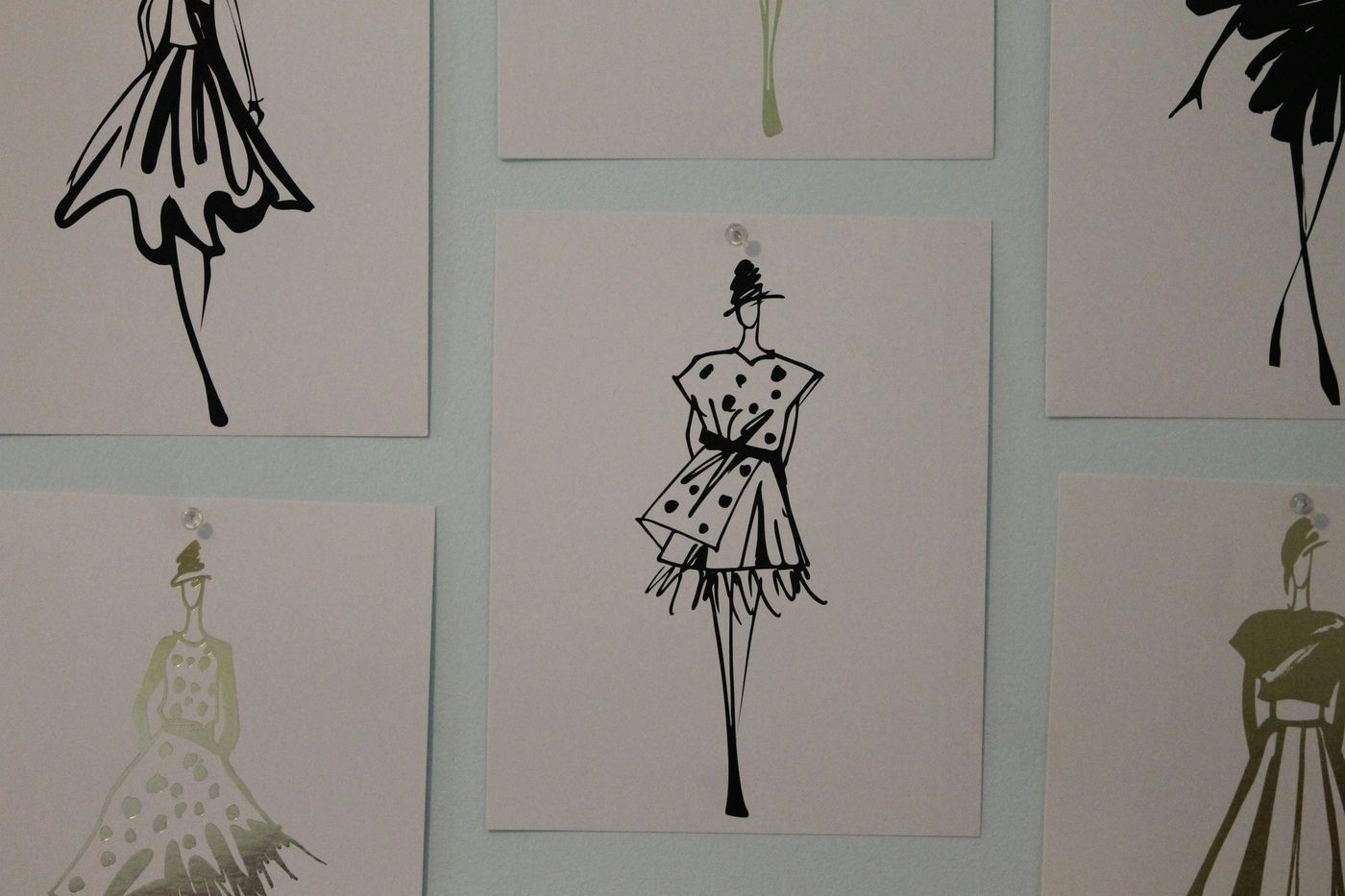
1950s fashion dresses are renowned for their distinctive silhouettes, which emphasized an hourglass figure. Key features included:
- Full skirts often supported by crinolines or petticoats
- Cinched waists achieved with wide belts or tailoring
- Soft shoulders and fitted bodices
- Patterns and colors ranging from polka dots to florals in vibrant hues
Designers like Christian Dior popularized the "New Look," which celebrated femininity with luxurious fabrics and structured shapes. This style became a staple in 1950s womenswear.
Fabric Choices and Patterns in 1950s Dresses
The 1950s saw a variety of fabrics used in fashion dresses, including:
- Cotton and rayon for everyday wear
- Silk and satin for evening gowns
- Wool blends for cooler months
Patterns were bold and playful:
- Polka dots
- Plaids and checks
- Floral prints
- Stripes
These elements combined to create vibrant, eye-catching dresses that stood out in any setting.
1950s Mens Fashion: A Shift Towards Modernity
Men’s fashion in the 1950s balanced traditional tailoring with emerging casual styles. Key trends included:
- Suits: Slimmer cuts with narrow lapels
- Casual wear: Polo shirts, cardigans, and leather jackets gained popularity
- Trousers: High-waisted with a tapered leg
The influence of cultural icons like James Dean and Marlon Brando introduced rebellious styles into mainstream menswear, blending classic and edgy looks.
The Role of Accessories in 1950s Fashion
Accessories played a vital role in completing 1950s outfits:
- Women favored gloves, hats, and pearl necklaces
- Men often wore fedoras, pocket squares, and cufflinks
- Footwear included saddle shoes for women and polished oxfords or loafers for men
These accessories added sophistication and personality to the era’s fashion.
The Impact of 1950s Fashion on Contemporary Style
1950s fashion continues to influence modern designers and fashion enthusiasts. Elements such as the fit-and-flare dress and tailored suits remain timeless. Vintage-inspired collections often draw directly from the bold patterns and clean lines popularized during this dynamic decade.
Summary: Why 1950s Fashion Still Matters
The 1950s were a period of transformation in fashion, marked by a celebration of elegance and individuality. The iconic 1950s fashion dresses and menswear styles not only defined a generation but also laid the groundwork for future trends. Their blend of form, function, and flair ensures they remain relevant and inspiring today.
Conclusion
Understanding the evolution of 1950s fashion offers valuable insights into how clothing reflects cultural and social change. The decade’s dresses and menswear showcased a modern, reliable style that was both inclusive and trendsetting. Whether you’re a fashion enthusiast or simply curious about style history, the 1950s provide a vibrant and engaging chapter in the story of fashion.