A Guide to 1930s and 1940s Fashion for Men and Women
A Guide to 1930s and 1940s Fashion for Men and Women
The 1930s and 1940s were transformative decades in the world of fashion, marked by elegance, resilience, and a shift toward practicality. Understanding 1930s fashion and 1940s fashion offers a window into the social and cultural changes of the time, reflected in the clothing choices of men and women alike. This guide explores the defining trends and styles of these decades, highlighting key features and iconic looks.
The Essence of 1930s Fashion
During the 1930s, fashion was characterized by a return to sophistication following the flapper styles of the 1920s. The Great Depression influenced designs to be more conservative yet still stylish.
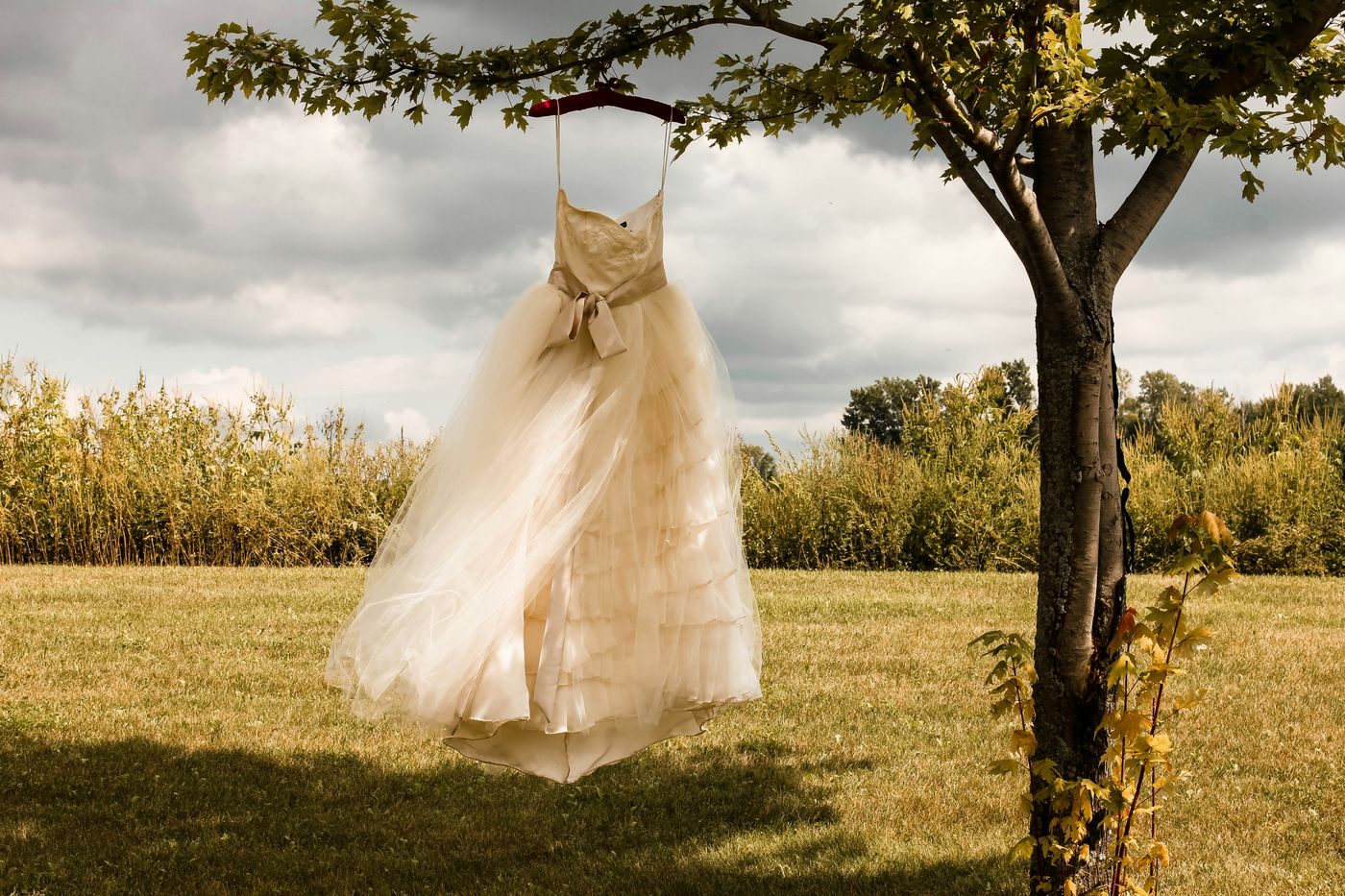
- Women's Fashion: Bias-cut dresses that hugged the body, soft shoulders, and longer hemlines were popular. Fabrics like silk, rayon, and crepe were favored for their fluidity.
- Men's Fashion: Suits featured wide lapels, high-waisted trousers, and double-breasted jackets. Accessories like fedoras and pocket watches completed the look.
Key Features of 1940s Fashion
The 1940s fashion scene was deeply shaped by World War II, which brought fabric rationing and a focus on utility but also sparked creativity.
- Women's Fashion: Utility clothing with structured shoulders, A-line skirts, and practical fabrics. Post-war, fashion embraced fuller skirts and more decorative details.
- Men's Fashion: Military influences prevailed, with simpler suits and the use of muted colors. The phrase 1940s fashion for guys often refers to these practical yet sharp styles.
Women's Silhouettes: From Glamour to Utility and Back
The transition from the 1930s to the 1940s saw women's silhouettes change dramatically:
- 1930s: Long, flowing gowns emphasizing the natural waist.
- 1940s: Boxy, padded shoulders and knee-length skirts for functionality.
This shift reflected both economic realities and evolving social roles.
Men's Suits: Elegance Meets Practicality
Men's suits in these decades balanced style with the need for practicality:
- 1930s suits were tailored with a focus on elegance.
- 1940s suits became more streamlined with less fabric, featuring narrower lapels and pleated trousers.
Accessories That Defined the Era
Accessories played a vital role in completing looks:
- 1930s: Cloche hats, silk scarves, gloves, and statement jewelry.
- 1940s: Berets, utility belts, suspenders, and simple leather gloves.
The Influence of Hollywood Glamour
Movie stars helped popularize trends, with icons like Katharine Hepburn and Cary Grant setting benchmarks for stylish dressing.
How to Incorporate 1930s and 1940s Fashion Today
Vintage-inspired looks are increasingly trendy, and you can incorporate elements such as:
- Tailored suits with wide lapels or padded shoulders.
- Feminine dresses with bias cuts or A-line skirts.
- Classic accessories like fedoras or silk scarves.
Conclusion
Understanding 1930s fashion and 1940s fashion reveals how style adapts to social and economic changes while maintaining a timeless appeal. Both decades offer rich inspiration for modern wardrobes, blending elegance, functionality, and unique character. Whether you're drawn to the glamorous curves of the 1930s or the pragmatic yet stylish 1940s looks, these eras continue to influence fashion enthusiasts today.