The Business of Fashion: How Fashion Brands Build Their Identity
The Business of Fashion: How Fashion Brands Build Their Identity
In the ever-evolving world of style, fashion brands don't just sell clothing—they tell stories, evoke emotions, and create lasting impressions. Building a strong brand identity is essential for any fashion brand company looking to thrive in this competitive landscape. This article explores how fashion brands develop their unique identities, connecting with consumers while staying true to their core values.
Understanding Fashion Brand Identity
Brand identity encompasses everything a brand represents — its values, personality, visual elements, and the overall experience it delivers. For fashion brands, identity is more than a logo or a label; it's the essence that sets them apart from others.
Defining the Brand's Vision and Mission
A clear vision and mission form the foundation of any successful fashion brand. This includes:
- Purpose: What the brand stands for beyond profits.
- Target Audience: Who the brand is designed for.
- Long-term Goals: Where the brand aims to be in the future.
Luxury fashion labels often emphasize exclusivity and craftsmanship, while fast fashion brands might focus on accessibility and trend responsiveness.
Crafting a Distinct Visual Identity
Visual elements are crucial for instant recognition. This includes:
- Logo Design: A memorable and versatile logo.
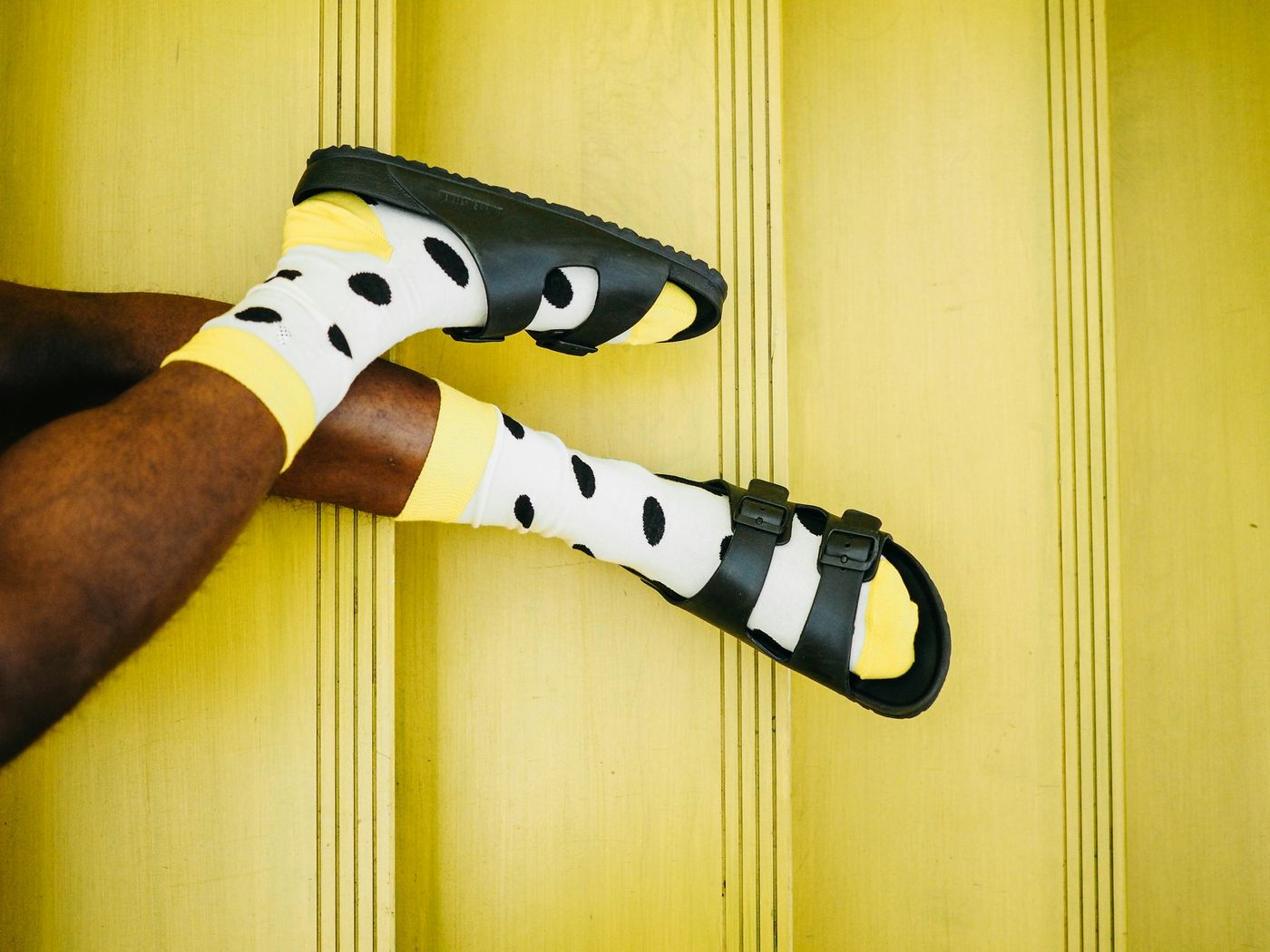
- Color Palette: Consistent colors that convey the brand’s mood (e.g., electric blue or coral accents for vibrancy).
- Typography: Bold or modern fonts that reflect brand personality.
- Packaging: Unique and sustainable materials can enhance the brand story.
Developing a Signature Style and Product Offering
Fashion brands build identity through their designs and collections:
- Signature cuts or patterns.
- Use of specific fabrics or techniques.
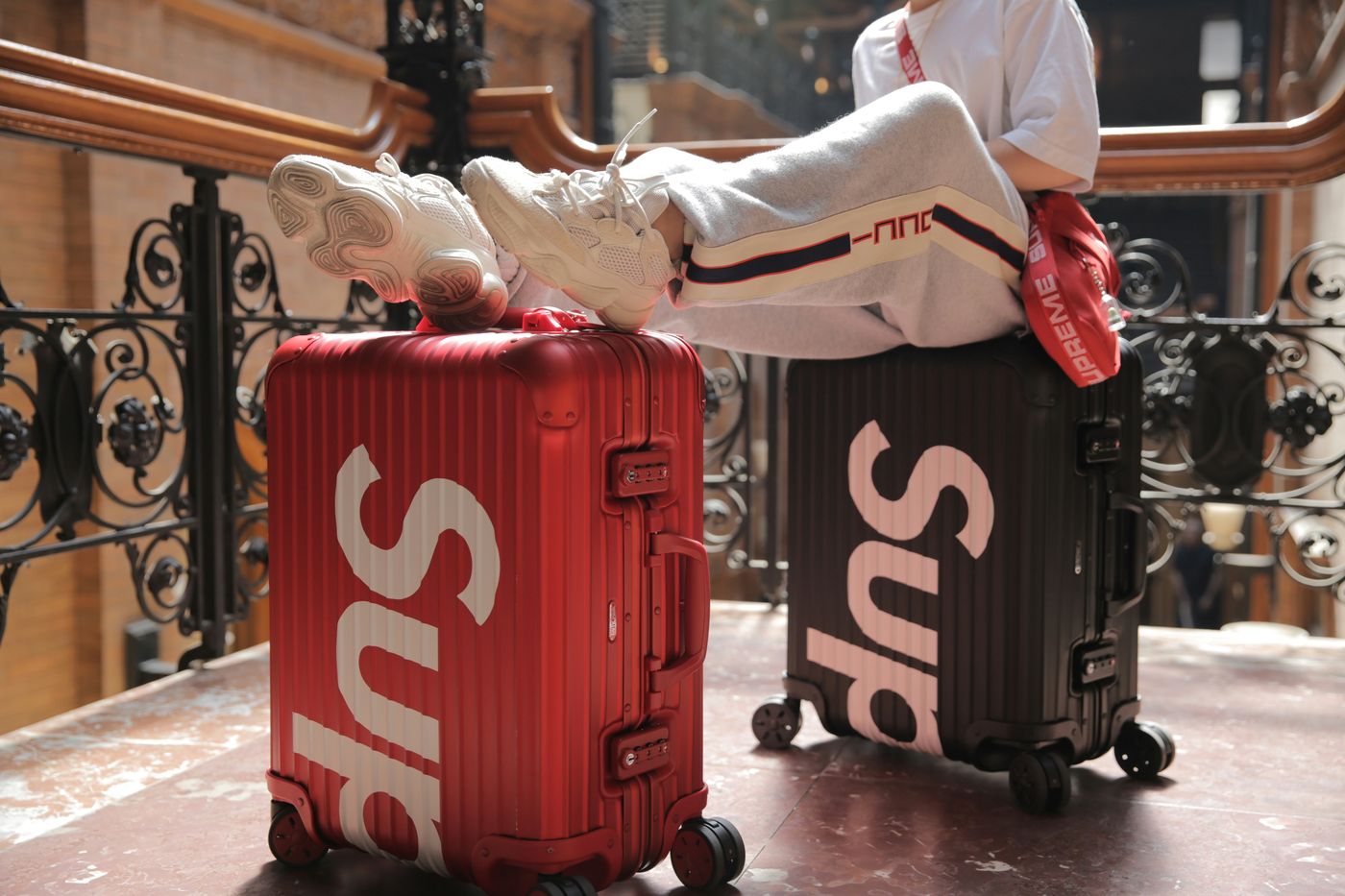
- Collaborations with designers or artists.
Luxury fashion labels often invest heavily in craftsmanship and unique designs to justify their premium positioning.
Storytelling and Brand Narrative
Engaging stories create emotional connections. Brands share:
- Heritage and origin stories.
- Inspiration behind collections.
- Sustainability efforts or social initiatives.
This approach makes the brand relatable and trustworthy.
Consistent Consumer Engagement
Maintaining a strong brand identity requires consistent interaction:
- Social media presence with vibrant imagery and engaging content.
- Inclusive marketing campaigns reflecting diverse audiences.
- Customer service that reinforces brand values.
Leveraging Influencers and Partnerships
Collaborations can amplify brand identity:
- Partnering with influencers aligned with brand ethos.
- Limited edition collections with celebrities or artists.
- Sponsorship of fashion events or causes.
Embracing Sustainability and Inclusivity
Modern consumers value ethical practices. Incorporating sustainability and inclusivity into brand identity can:
- Enhance reputation.
- Attract conscious consumers.
- Differentiate the brand in a crowded market.
Conclusion
Building a fashion brand's identity is a multifaceted process that blends creativity, strategy, and authenticity. Whether a luxury fashion label or an emerging fashion brand company, success lies in crafting a distinct, reliable, and engaging presence that resonates with consumers. By defining clear values, creating compelling visuals, and fostering meaningful connections, fashion brands can establish identities that stand the test of time.