The Impact of Fast Fashion Brands on the Industry
The Impact of Fast Fashion Brands on the Industry
Fast fashion brands have revolutionized the way we consume clothing, reshaping the fashion industry with their rapid production cycles and trend-driven offerings. This article delves into the multifaceted impact of these brands on fashion retail, consumer habits, and the broader industry landscape.
What Are Fast Fashion Brands?
Fast fashion brands specialize in quickly translating runway trends into affordable, mass-produced clothing. They prioritize speed and cost-efficiency to keep up with ever-changing consumer demands, making trendy apparel accessible to a wide audience.
How Fast Fashion Changed Fashion Retail
The emergence of fast fashion has transformed traditional fashion retail by:
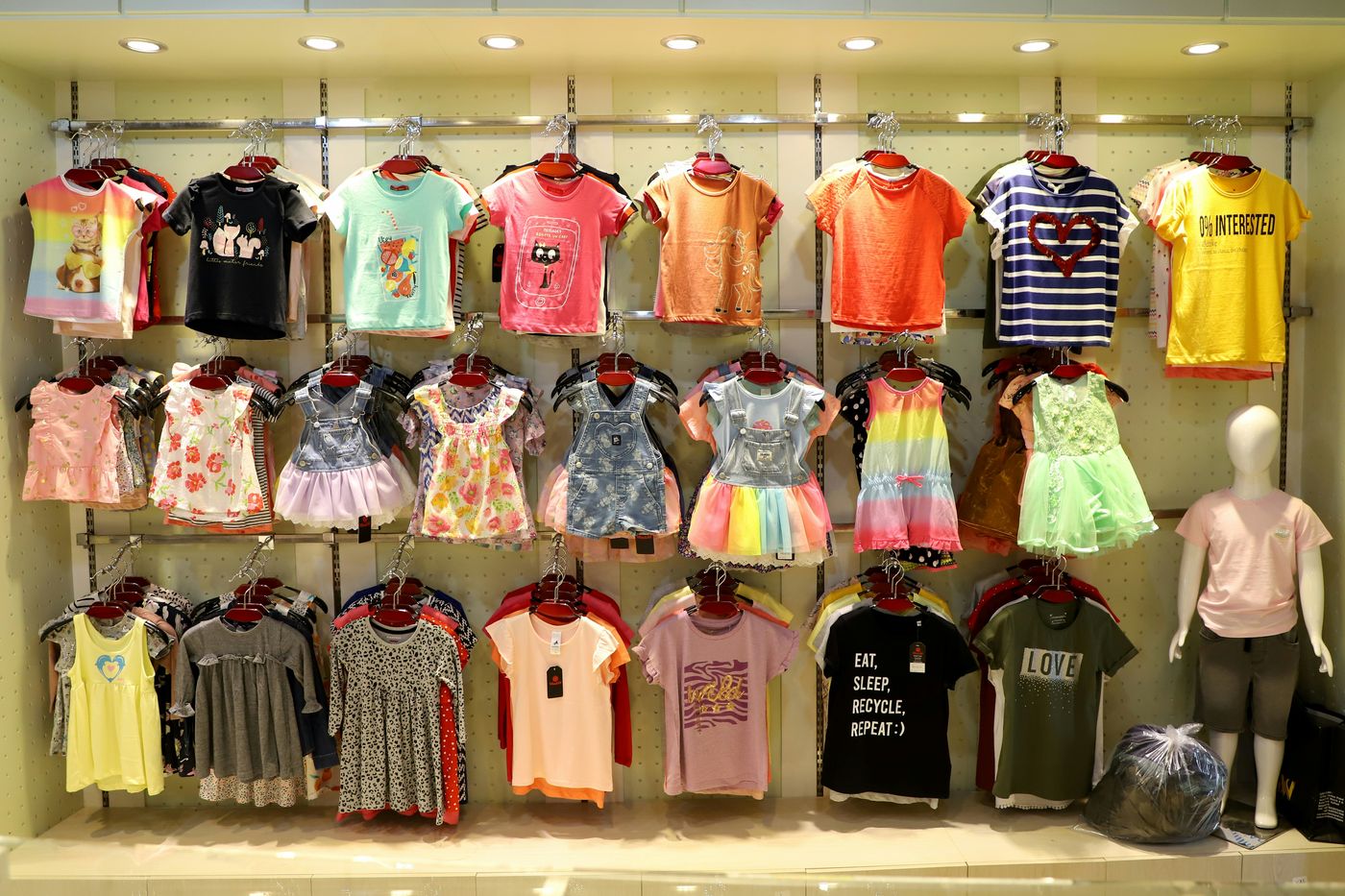
- Accelerating product turnover: New collections arrive weekly or even daily.
- Lowering price points: Making fashion more affordable.
- Increasing accessibility: Expanding availability across global markets.
These strategies have forced traditional retailers to adapt or risk losing market share.
Influence on Consumer Behavior
Fast fashion brands have cultivated a culture of frequent purchasing by:
- Offering constantly updated styles.
- Encouraging impulse buys through limited-time drops.
- Promoting trend experimentation without significant investment.
This has led to consumers buying more clothing but wearing items for shorter periods.
Impact on Design and Trend Cycles
Fast fashion accelerates trend cycles by rapidly producing garments inspired by high-fashion runways. Designers at these brands work on tight schedules, often releasing multiple collections annually, which:
- Compresses the traditional seasonal calendar.
- Increases trend diversity and experimentation.
- Challenges luxury brands to maintain exclusivity.
Economic Contributions and Challenges
Fast fashion brands contribute significantly to global economies by:
- Creating jobs in manufacturing and retail.
- Stimulating economic activity in emerging markets.
However, they also face criticism regarding labor practices and wage fairness in supply chains.
Environmental Considerations
The rapid production and disposal model of fast fashion have raised sustainability concerns:
- High resource consumption (water, energy).
- Significant textile waste due to low garment longevity.
- Increased carbon footprint from global logistics.
This has sparked conversations about responsible consumption and the need for industry reform.
Responses from the Industry and Consumers
In response to these challenges, some fast fashion brands are:
- Introducing sustainable collections.
- Implementing recycling and take-back programs.
- Enhancing transparency in supply chains.
Consumers are also becoming more conscious, seeking ethical and sustainable fashion alternatives.
The Future of Fast Fashion Brands
Looking ahead, fast fashion brands may evolve by:
- Balancing speed with sustainability.
- Leveraging technology for efficient production.
- Embracing circular fashion models.
This evolution will shape the future landscape of fashion retail and consumer engagement.
Fast fashion brands have undeniably reshaped the fashion industry, driving innovation in retail and influencing consumer behavior. While they bring accessibility and trend agility, addressing environmental and ethical concerns remains crucial. As the industry moves forward, the integration of sustainability with fast fashion's dynamic model will likely define the next chapter in fashion retail.