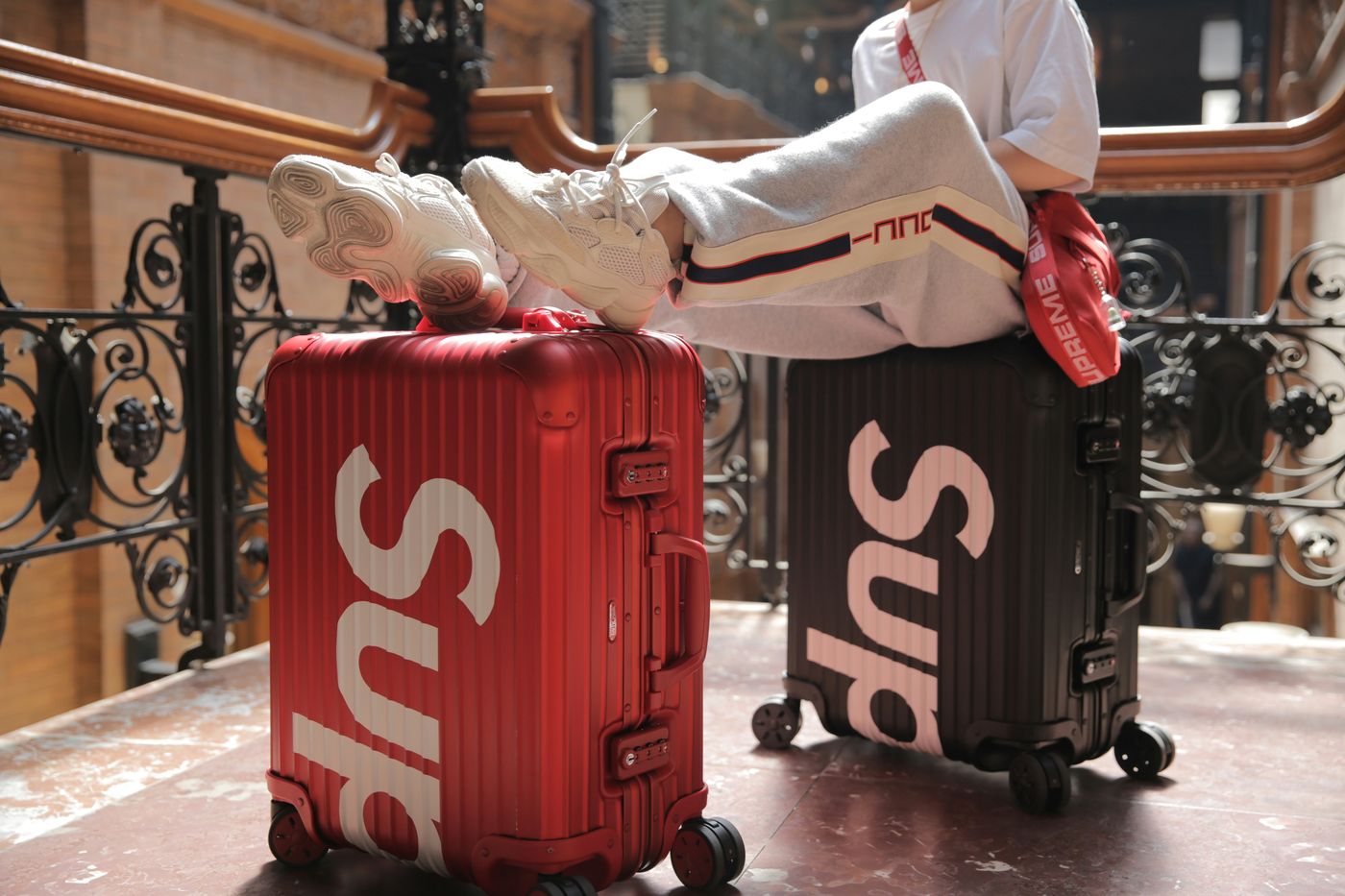
Top Upmarket Fashion Brands and Their Market Impact
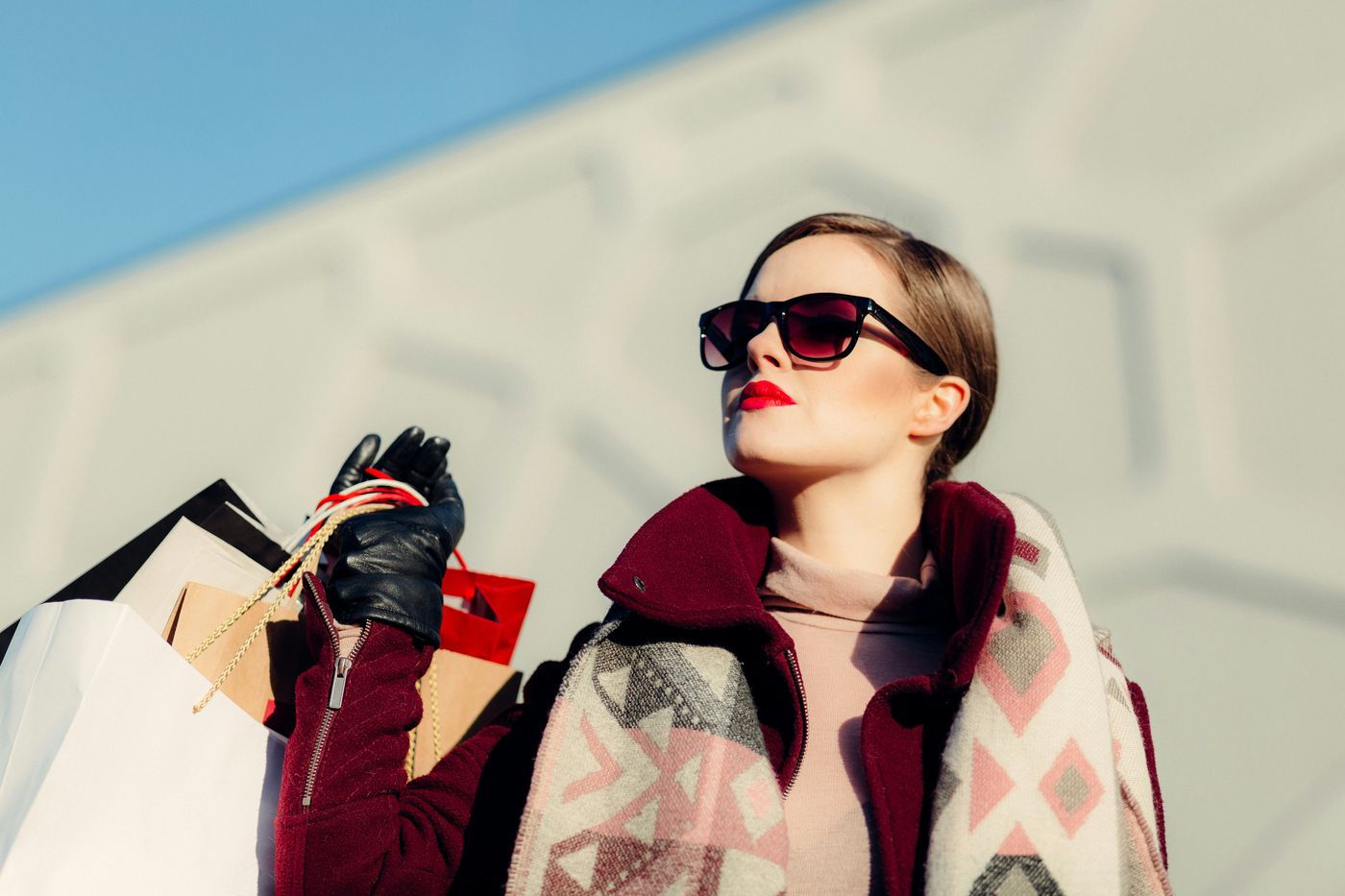
Top Upmarket Fashion Brands and Their Market Impact
In the ever-evolving world of fashion, upmarket fashion brands consistently set the tone for style, innovation, and consumer expectations. These high-end brands not only define luxury fashion but also significantly influence market trends worldwide. This article delves into the top upmarket fashion brands and explores their profound impact on the fashion industry and consumer behavior.
Defining Upmarket Fashion Brands
Upmarket fashion brands are synonymous with quality, exclusivity, and sophisticated design. They often represent the pinnacle of luxury fashion, combining craftsmanship with iconic style. These brands appeal to discerning consumers seeking premium products that often become status symbols.
Leading Players in the Upmarket Fashion Sector
Several brands dominate the high-end fashion scene, each with a unique legacy and design philosophy. Some of the most influential include:
- Louis Vuitton: Renowned for its timeless leather goods and innovative collaborations.
- Gucci: Known for its bold designs and revival under creative directorship.
- Chanel: A symbol of classic elegance and pioneering haute couture.
- Hermès: Famous for its meticulous craftsmanship and exclusive accessories.
- Prada: Celebrated for blending tradition with cutting-edge fashion.
The Influence of Luxury Fashion on Consumer Trends
Luxury fashion brands play a crucial role in shaping what consumers desire. Through runway shows, celebrity endorsements, and strategic marketing, these brands set trends that often trickle down to more accessible fashion lines. Their influence extends beyond aesthetics to lifestyle and cultural values.
Economic Impact of High-End Brands
Upmarket fashion brands contribute substantially to the global economy. They generate billions in revenue annually and provide employment across sectors such as retail, manufacturing, and marketing. Additionally, these brands drive tourism, particularly in fashion capitals like Paris, Milan, and New York.
Innovation and Sustainability Initiatives
Many top-tier brands are leading the charge in sustainable fashion, investing in eco-friendly materials and ethical production practices. This shift not only responds to consumer demand but also sets new standards for the entire industry.
Digital Transformation and Market Reach
The integration of digital technology has expanded the reach of luxury fashion brands. From virtual runway shows to e-commerce platforms, these brands engage a global audience, enhancing accessibility while maintaining exclusivity through personalized experiences.
Challenges Facing Upmarket Fashion Brands
Despite their prominence, high-end brands face challenges such as counterfeit markets, fluctuating consumer preferences, and the need to balance tradition with innovation. Navigating these issues requires adaptive strategies and continuous reinvention.
The Future of Upmarket Fashion Brands
Looking ahead, upmarket fashion brands are expected to deepen their commitment to inclusivity, sustainability, and technology. Embracing these elements will be key to maintaining their relevance and market leadership.
Top upmarket fashion brands continue to be powerful forces in shaping the luxury fashion landscape. Their market impact extends beyond products to influence cultural trends, economic growth, and industry innovations. As these high-end brands evolve, they remain at the forefront of defining what luxury means in a modern, inclusive, and sustainable world.